
Introduction
Every successful online business starts with a well-planned Digital Marketing Strategy. Whether you own a small business, run an eCommerce store, or work as a freelancer, having a clear strategy helps you reach the right audience, increase website traffic, generate quality leads, and boost sales.
Without a proper plan, businesses often spend time and money on marketing activities that deliver poor results. A strong Digital Marketing Strategy allows you to define clear goals, understand your audience, choose the right marketing channels, and measure your success.
This guide explains everything you need to know in simple English, making it suitable for beginners and business owners who want to grow online.
What Is Digital Marketing Strategy?
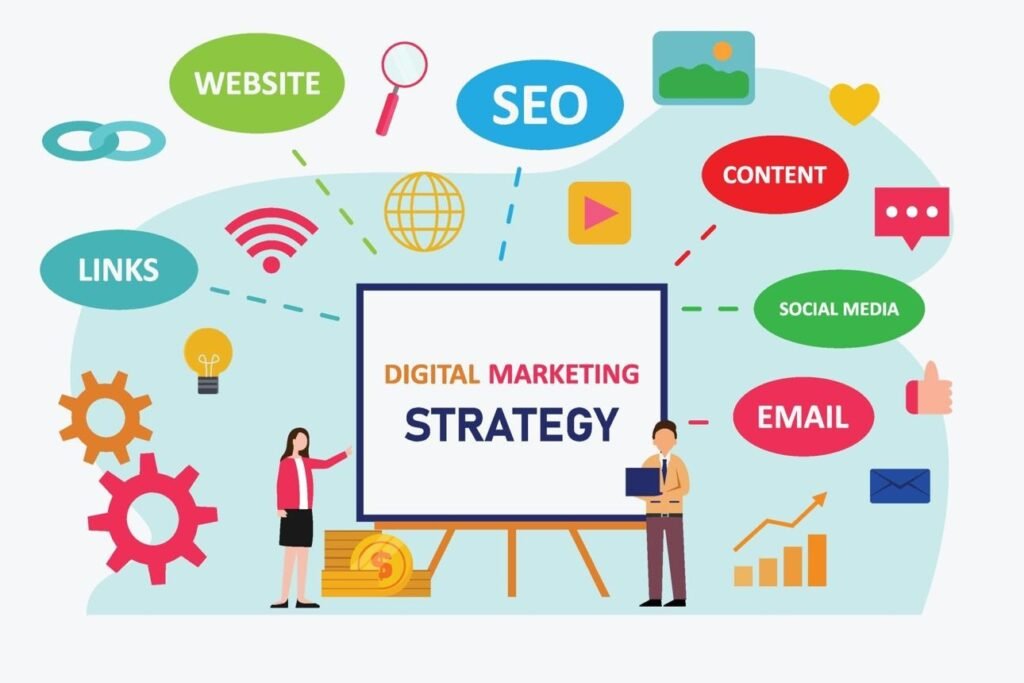
A Digital Marketing Strategy is a detailed plan that helps businesses promote their products or services using digital channels. It outlines how a company will attract visitors, convert them into customers, and retain them over time.
Instead of relying on guesswork, a strategy uses data, customer insights, and measurable goals to improve marketing performance. It combines different online marketing methods into one coordinated plan.
A complete digital marketing strategy may include:
- Search Engine Optimization (SEO)
- Content Marketing
- Social Media Marketing
- Email Marketing
- Pay-Per-Click (PPC) Advertising
- Video Marketing
- Influencer Marketing
- Affiliate Marketing
When all these channels work together, businesses can create consistent brand awareness and achieve better results.
Why Is Digital Marketing Strategy Important?
Creating a strong Digital Marketing Strategy helps businesses stay competitive in today’s online world.
Here are some reasons why it is important:
- Increases brand awareness
- Reaches the right audience
- Improves customer engagement
- Generates high-quality leads
- Increases website traffic
- Builds customer trust
- Improves conversion rates
- Delivers measurable results
- Maximizes return on investment (ROI)
Businesses that follow a clear strategy are more likely to achieve consistent long-term growth than those that market without a plan.
Key Benefits of a Digital Marketing Strategy
Better Customer Targeting
A well-planned strategy helps you identify your ideal customers based on their interests, behavior, location, and online activity. This ensures your marketing reaches people who are more likely to buy from you.
Higher Website Traffic
Using SEO, content marketing, and social media together can significantly increase organic and referral traffic to your website.
Improved Brand Visibility
Publishing valuable content regularly helps your brand appear in search results and across multiple digital platforms.
Increased Sales and Leads
When your marketing targets the right audience with the right message, it naturally improves lead generation and sales.
Cost-Effective Marketing
Compared to traditional advertising, digital marketing often delivers better results while allowing businesses to control their budgets more effectively.
Core Components of a Digital Marketing Strategy
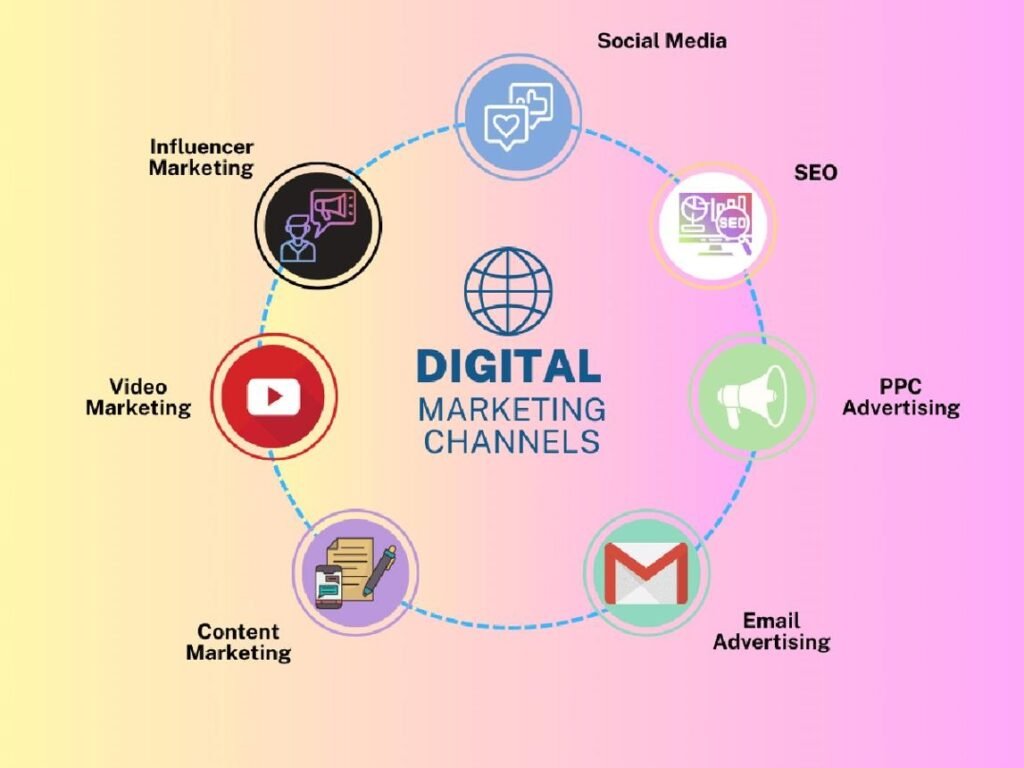
A successful strategy includes several important elements that work together.
Search Engine Optimization (SEO)
SEO improves your website’s visibility in search engines by optimizing content, keywords, page speed, and user experience.
Content Marketing
Creating high-quality blog posts, guides, videos, and infographics helps educate your audience and build trust.
Social Media Marketing
Platforms like Facebook, Instagram, LinkedIn, and YouTube help businesses connect with customers and grow their brand.
Email Marketing
Email campaigns help nurture leads, share valuable updates, and encourage repeat business.
Pay-Per-Click Advertising
Paid advertising on search engines and social media delivers instant visibility and targeted traffic when managed effectively.
How to Build a Digital Marketing Strategy
Creating an effective Digital Marketing Strategy requires careful planning and continuous improvement. Follow these simple steps to build a strategy that delivers long-term results.
1. Define Your Goals
Start by setting clear and measurable goals. Your objectives may include increasing website traffic, generating leads, improving brand awareness, or boosting online sales.
2. Understand Your Target Audience
Research your ideal customers. Learn about their age, interests, online behavior, location, and challenges. This helps you create content and campaigns that meet their needs.
3. Research Your Competitors
Study what your competitors are doing well. Analyze their websites, keywords, content, and social media activities to identify opportunities for improvement.
4. Choose the Right Marketing Channels
Not every platform works for every business. Select the channels that best match your audience, such as:
- Search Engine Optimization (SEO)
- Social Media Marketing
- Email Marketing
- Google Ads
- Content Marketing
- Video Marketing
5. Create High-Quality Content
Content is one of the most important parts of any Digital Marketing Strategy. Publish useful blog posts, videos, guides, infographics, and case studies that solve your audience’s problems.
6. Monitor and Improve
Use analytics tools to measure website traffic, conversions, bounce rate, and user engagement. Improve your strategy based on real data.
Common Mistakes to Avoid
Many businesses fail because they overlook basic marketing practices.
Avoid these common mistakes:
- Not setting clear goals
- Ignoring SEO
- Publishing low-quality content
- Targeting the wrong audience
- Inconsistent posting
- Not tracking performance
- Ignoring mobile users
- Forgetting email marketing
- Using too many marketing channels without a plan
- Not updating old content
Best Practices for Success
Follow these proven tips to improve your Digital Marketing Strategy.
- Publish fresh content regularly.
- Focus on solving customer problems.
- Optimize every page for SEO.
- Build a fast and mobile-friendly website.
- Use high-quality images and videos.
- Maintain a consistent brand voice.
- Track important marketing metrics.
- Keep learning about new digital marketing trends.
Consistency is the key to long-term success.
Frequently Asked Questions
What is a Digital Marketing Strategy?
A Digital Marketing Strategy is a structured plan that helps businesses promote products or services through online marketing channels.
Why is a Digital Marketing Strategy important?
It helps businesses attract the right audience, increase website traffic, generate leads, and improve sales.
Which digital marketing channel is best?
The best channel depends on your business goals. SEO, content marketing, email marketing, and social media are among the most effective options.
How long does it take to see results?
SEO and content marketing usually take several months, while paid advertising can generate results almost immediately.
Can small businesses benefit from digital marketing?
Yes. A well-planned Digital Marketing Strategy helps small businesses compete with larger brands and reach more customers within their budget.
Conclusion
A successful Digital Marketing Strategy is the foundation of online business growth. It helps you understand your audience, choose the right marketing channels, create valuable content, and measure your success. By following SEO best practices, publishing quality content, and continuously improving your campaigns, you can build a strong online presence and achieve long-term results.
Whether you are a beginner, freelancer, or business owner, investing time in creating a solid Digital Marketing Strategy will help you stay ahead of the competition and grow your brand.
Ready to grow your business online? Start building your Digital Marketing Strategy today and take the first step toward attracting more visitors, generating quality leads, and increasing your sales.